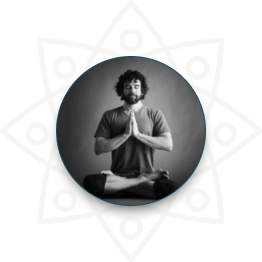
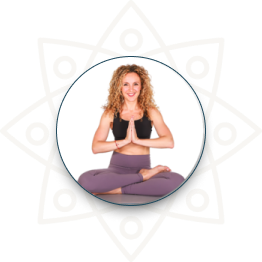
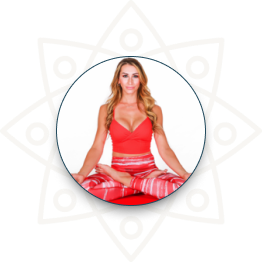
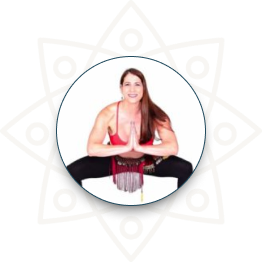
I am a vegetarian . . a bodybuilder . . a yogi . . a runner . . a kung fu artist . . but most of all, I am a person who believes in hard work, doing what’s right, welcomes challenges, grows as a human being, lives passionately, loves unconditionally, strives to help human kind, be a positive influence, be true to one’s self, believe in one’s self and be joyful for the journey of life and all the side roads and crossroads, which come with life and by embracing all of that . . I will succeed, in all, I set out to do . . . I am a work in progress . . . Me
From humble beginnings in D’Iberville, MS, I began my physical journey through life learning classical dance, ballet, tap and jazz. I learned how to move my body in space in many different ways. I learned how to be expressive through movement, without uttering a word.
As I got older,Read More
I continued moving through life; no goals, no passion, trying to find my flow . . . my own rhythm.
Passion started to materialize; when I began teaching others to be healthier individuals, by becoming a personal trainer yet I always kept another job for “just in case”. I didn’t trust in myself, to let go.
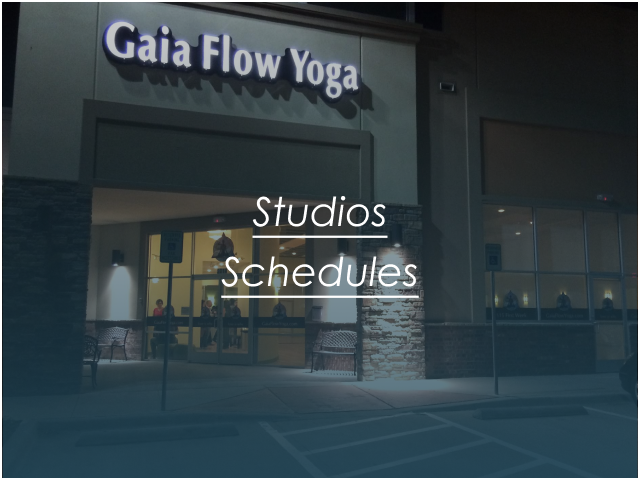
And then I found Gaia Flow.
I started to train people out of the gym adjacent to the original Gaia Flow Studio, Addison Circle Yoga. I used to watch the classes through the glass and couldn’t take my eyes off all the movement.
Finally, I went to a practice and that was it. I had been to other styles of yoga before but nothing that I ever felt a spiritual connection.
Yoga helped me to forgive myself for so many things in my past, connected me to something I can’t even begin to explain, helped me to move forward as a human being and helped me to trust in myself. I knew I had to become a yoga teacher and thanks to the powers that be, all the doors opened.
I had been lacking something my entire life and now, I finally feel more whole, more balanced and I finally found my flow.
Now, thanks to yoga, I am on a new journey through life, a Spiritual one.
Love and happiness for all . . .
Tanya